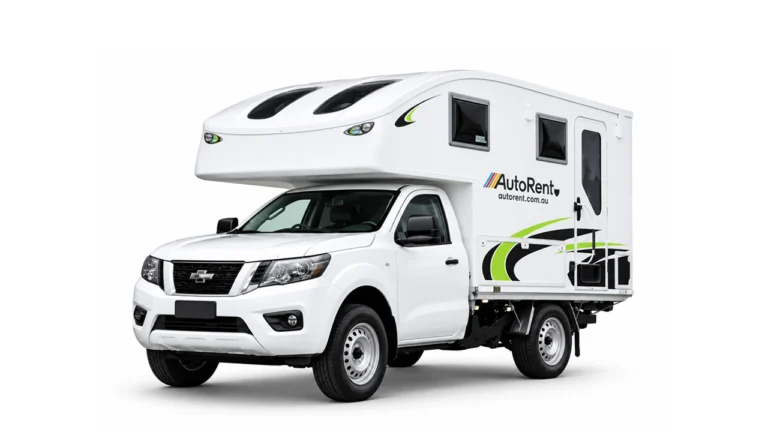
Compare Motorhome & Campervan Hire Devonport:

Campervan hire in Devonport lets you compare and book a campervan, motorhome, or RV that you collect in Devonport, Tasmania, then drive straight into a self-drive holiday across the North West Coast and the rest of the island. MotorhomeHire.com compares vehicles from trusted suppliers in a single search, from compact 2-berth campervans to fully equipped 6-berth motorhomes, so you can match the vehicle to your group size, budget, and pickup point. You can arrange collection near the Spirit of Tasmania ferry terminal or Devonport Airport, book entirely online with no booking fees, and rely on our Price Beat Guarantee if you find a lower comparable rate.
  • No Hidden Fees, Ever!
  • Book Instantly & Securely
  • Compare Top Brands in 60 Seconds
The best rental deals Guaranteed!
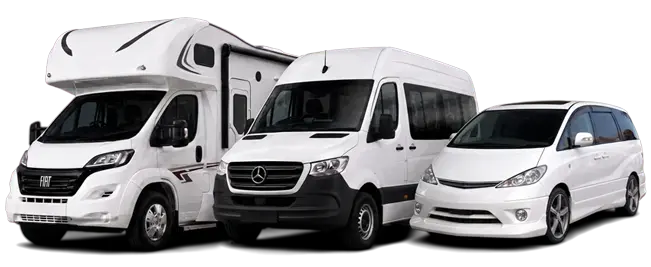
Selection of motorhomes and campervans available for hire

Trusted Campervan & Motorhome Hire Brands in Devonport, TAS

Rated 4.9/5 on Shopper Approved

Why Choose MotorhomeHire.com

  • Local travel experts: Plan your Devonport itinerary with staff who know the Australian landscape
  • We speak your language: Friendly, multilingual support from our dedicated travel team
  • Unlimited Kilometres: Travel Australia freely with no daily mileage limits
  • 24/7 roadside assistance: All of our rentals include around-the-clock breakdown cover
  • Search and book online: Live availability and prices in seconds, no phone calls needed
  • Fully Equipped: Bedding, towels, and essential kitchenware are included in your hire

Rent A Campervan Or Motorhome In Devonport And Discover Tasmania
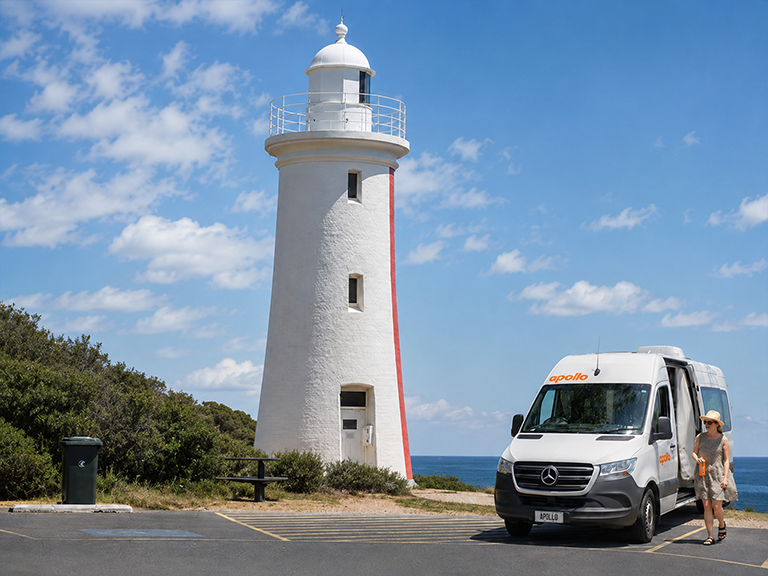
Renting a campervan or motorhome in Devonport gives you transport and accommodation in one vehicle, so you can start touring the moment you collect it. Devonport sits on the Mersey River in North West Tasmania and serves as the arrival point for the Spirit of Tasmania ferry and Devonport Airport, which makes it a practical base to begin a Tasmanian road trip. From here you can reach Cradle Mountain, Sheffield, Table Cape, and the beaches around Boat Harbour within a short drive, then loop south toward Launceston and Hobart when you want to explore all of Tasmania by campervan. Your pickup time usually depends on when you dock, because the Spirit of Tasmania runs both day and night crossings of Bass Strait. If you arrive on a daytime sailing, you can often collect your vehicle and drive out the same afternoon. If you arrive on an overnight sailing that berths early in the morning, check the supplier’s opening hours and arrange a pickup near the Spirit of Tasmania ferry terminal, since some depots open later than the ferry arrival. Confirming collection times before you sail prevents a wait at the terminal with luggage and tired travellers.
Traveller beside an Apollo campervan at Mersey Bluff Lighthouse in Devonport

Popular Types of Campervans, RVs & Motorhomes for Hire in Sydney
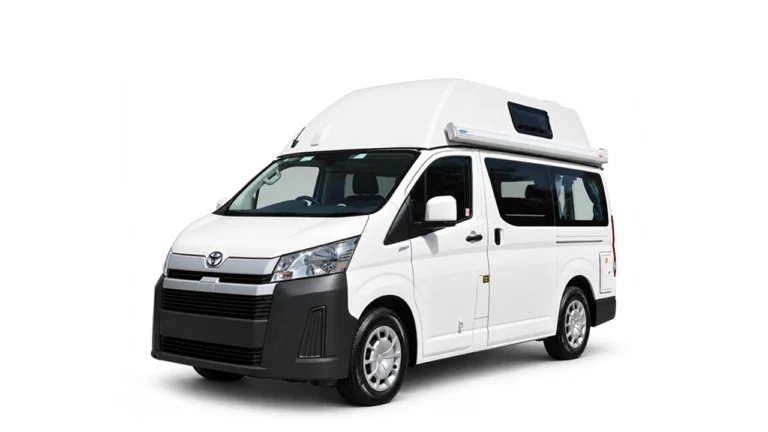
Devonport suppliers hire out a full range of vehicles, from compact 2-berth campervans to 6-berth motorhomes, so you can match berths, facilities, and driving comfort to your trip. Most campervans and motorhomes sit under 4.5 tonnes GVM, so a standard car licence is generally enough. Confirm the GVM on your chosen vehicle before booking.
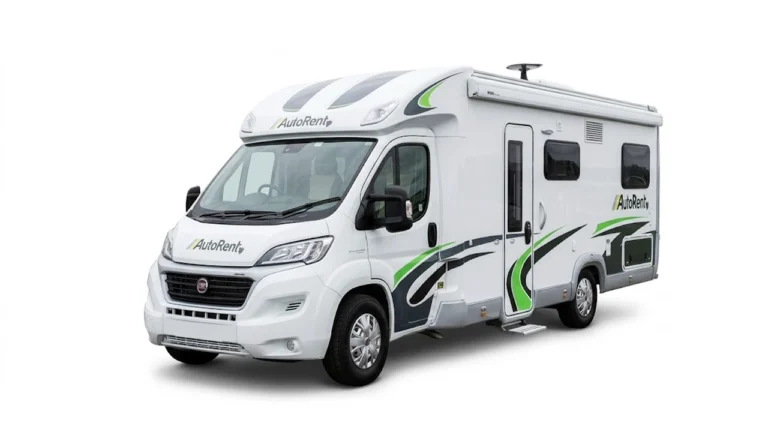
  • Autorent 4WD Compact Motorhome - 2 Berth

    Autorent 4WD Compact Motorhome – 2 Berth

    ToiletToilet
    ShowerShower
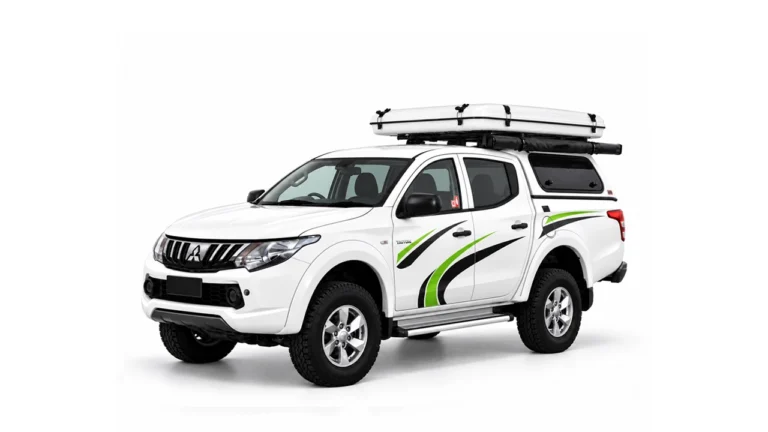
  • Autorent Dual Cab Camper with Roof Top Tent - 2 Berth

    Autorent Dual Cab Camper with Roof Top Tent – 2 Berth

    ToiletToilet
    ShowerShower
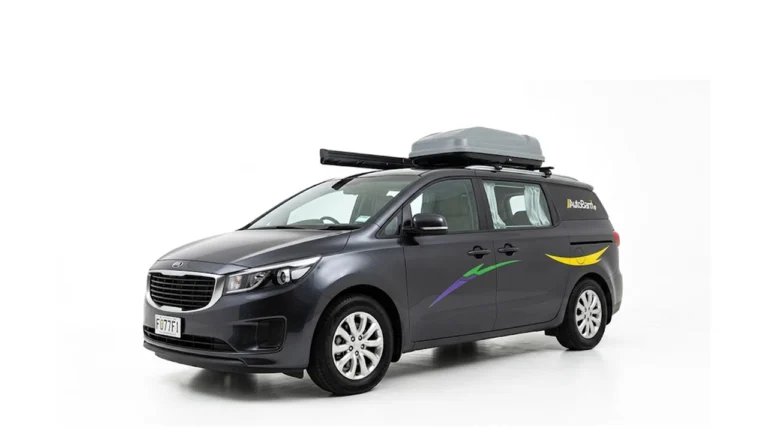
  • Camper Wagon - 2 Berth (2)

    Autorent Camper Wagon – 2 Berth

    ToiletToilet
    ShowerShower
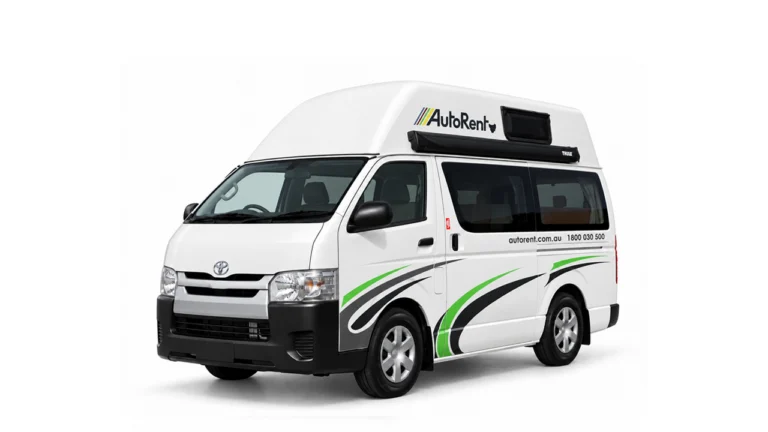
  • Autorent Hi-Top Campervan - 2 Berth

    Autorent Hi-Top Campervan – 2 Berth

    ToiletToilet
    ShowerShower
  • Autorent Campervan High roof - 4 Berth (1)

    Autorent Campervan High Roof – 4 Berth

    ToiletToilet
    ShowerShower
  • Autorent Premium Motorhome - 4 Berth (3)

    Autorent Premium Motorhome – 4 Berth

    ToiletToilet
    ShowerShower

How Motorhome Hire in Devonport Works

MotorhomeHire.com search form for choosing pickup, travel dates, return location and passenger details

Search Your Dates & Locations

Enter your pickup date, drop-off date, and pickup location as Devonport, then choose how many travellers you need to sleep. Set a one-way drop-off in a different city if you want to relocate.
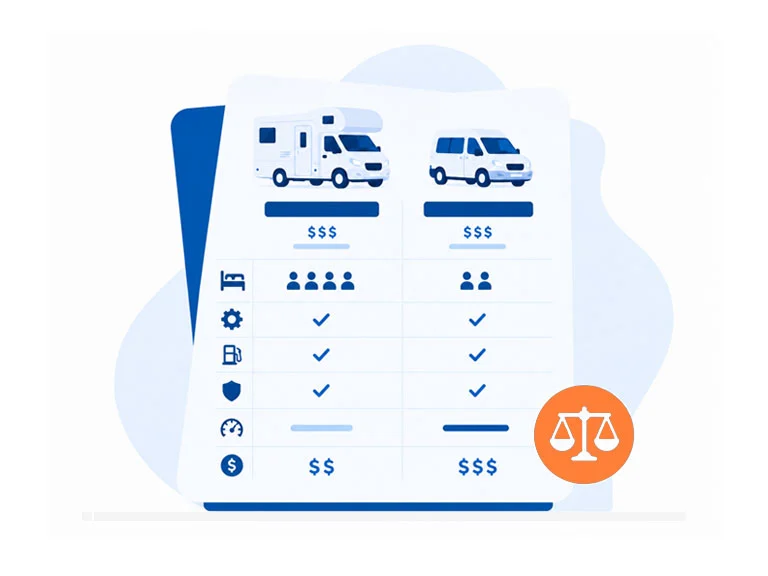
Comparing motorhome vehicle options, berth count, inclusions, insurance and price

Compare & Choose Your Vehicle

Filter the live results by berth count, transmission, brand, inclusions, and total price. Side-by-side comparison shows what each rate covers, including insurance options and optional extras.

Online motorhome booking confirmation with payment card, licence, pickup date and depot collection

Book Online & Pickup Your Vehicle

Pay the deposit on a credit or debit card and receive your booking confirmation. Bring your driving licence, the booking confirmation, and your payment card to your chosen depot on your pickup date.

How much does it cost to hire a campervan in Devonport?

Campervan and motorhome hire in Devonport generally costs between about $60 per day for a basic 2-berth campervan in off-peak. Your daily rate depends on vehicle size, vehicle age, onboard facilities, booking length, the season you travel, your pickup and drop-off points, and whether you book a return or one-way hire. Specific price ranges for different vehicle types include:
  • 2-Berth campervans: $60 to $174 per day
  • 4-Berth campervans: $88 to $234 per day
  • 4-Berth with bathrooms (toilet and shower): $111 to $371 per day
  • 4WD campervans starts from $86 per day (depending on the berth)

Cheap campervan hire in Devonport

The cheapest campervan hire in Devonport is usually a basic 2-berth van from a value brand booked outside school holidays and outside December and January, which can start near the bottom of the $60 to $371 range. To find the lowest price, book at least 6 to 8 weeks ahead, avoid one-way relocation fees by choosing a return hire back to Devonport, and check the Standard Liability option rather than upgrading to Maximum Cover if you are comfortable with a higher excess. Relocation deals and promo codes can further reduce the daily rate on selected dates.

What affects Devonport hire prices

Several factors move the daily rate up or down from the ranges above. Understanding these helps you decide when, what, and how to book for the best value.
  • Season and demand. Peak season in Tasmania, roughly mid-December to late January plus Easter, school holidays, and long weekends, sits at the top of the range. The lowest rates usually fall in winter, from May to August, with autumn and spring shoulder months often close behind for the same vehicle.
  • Vehicle class and berth. A basic 2-berth campervan sits at the bottom of the range near $60 per day off-peak, a 4-berth motorhome starts from around $111.
  • Rental duration. Longer bookings usually earn a discounted daily rate. Many brands drop the per-day price on hires of 21+ days.
  • Insurance option. Upgrading from Standard Liability to a liability-reduction or maximum-cover option adds a daily fee, in exchange for a lower excess and a smaller or zero bond hold on your credit card.
  • One-way relocation fees. Picking up in Devonport and dropping off in Launceston or Hobart usually adds a one-way relocation fee and a minimum hire duration, set by the route and supplier and shown in your live quote rather than fixed. Within-Tasmania one-ways are short, so fees are usually lower than interstate moves, but choices from Devonport are limited.
  • Add-on extras. GPS units, bike racks, camping chairs and tables, portable BBQs, second drivers, and child seats are usually charged per hire or per day. Bedding packs and kitchen kits are included by some brands and charged as extras by others.
  • Kilometre policy. Most motorhome hires include unlimited kilometres. Some campervan hires apply a daily cap, often around 200 km per day, with an excess-kilometre charge above that. Long-distance Tasmanian road trips are cheaper on an unlimited-kilometre vehicle.
  • Fuel. Always paid by the renter, and most Tasmanian campervans and motorhomes run on diesel. Larger 6-berth motorhomes use noticeably more fuel than a 2-berth van, and fuel in Tasmania can cost a little more than on the mainland, so factor it into your total trip budget.
  • Booking lead time. Booking well ahead, ideally two to four months, usually gives the best combination of price and vehicle choice, with early-bird discounts from some brands. Late bookings in peak season often pay more and land on the last vehicles left in the fleet.
  • Driver age and additional drivers. Minimum hire age in Tasmania is usually 21, though some suppliers require 23 or older. Drivers under 25 may pay a young-driver surcharge with some brands, and adding a second driver usually costs a flat fee per hire.
Several factors move the daily rate up or down from the ranges above. Understanding these helps you decide when, what, and how to book for the best value.
Average Daily Rate in Devonport
Oct-2026Nov-2026Dec-2026Jan-2027
2-Berth 4WD Campers210.37208.25230.9286.42
2-Berth Budget Campervans137.94138.57174.4759.8
4-Berth Budget Campervans210.69208.58233.5287.88
4-Berth Motorhomes with Bathrooms326.08342.22371.22110.78

Chart updated: September 7, 2026

Insurance, Bonds and Excess Explained

Every motorhome and campervan hire in Devonport includes a base insurance option and a bond held against the driver's credit card at pickup. Bond size and excess amount depend on the insurance tier you choose. Upgrading to a higher tier reduces the excess you would pay if the vehicle is damaged and reduces the bond held on your card, so the two move in opposite directions.

Insurance tiers explained

Most Devonport rental brands offer three insurance levels. Names differ between brands, but the structure is consistent.

Tier What it covers Typical excess Typical bond hold Best suited to
Standard Liability Base-level damage cover included in the daily rate. You pay the full excess if the vehicle is damaged. $5,000-$7,500 excess per claim $5,000-$7,500 on credit card Travellers who accept a higher excess in exchange for the lowest daily rate
Liability Reduction Mid-tier upgrade. Reduces the excess in exchange for a daily fee. $1,500-$2,500 excess per claim $1,500-$2,500 on credit card Most renters - balances daily cost and financial risk
Maximum Cover Top tier. Reduces the excess to zero or near-zero. Often includes single-vehicle rollover, windscreen, tyres, and awning damage. $0-$250 excess per claim $0-$500 on credit card First-time renters, international visitors, and travellers wanting full peace of mind

Exact bond and excess amounts vary by brand, vehicle, and booking dates. Some brands use different names for the same structure, for example Standard, Liability Reduction Option, and Maximum Cover at one brand, and a different set of tier names at another. The three-tier structure is the same either way.

What the bond actually is

The bond is a pre-authorisation hold on the driver's credit or debit card, not a charge. Funds are frozen on the card at pickup and released when the vehicle is returned undamaged, on time, refuelled to the same level, and clean inside. If damage occurs during the hire, the brand deducts the excess, or the repair cost up to the excess ceiling, from the bond before releasing the balance.

Most brands require a physical credit or debit card in the driver's name to hold the bond. Cash and pre-paid cards are typically not accepted, so bring an eligible card with enough available limit to cover the bond, especially on the Standard Liability tier.

Reducing the excess

You can reduce or eliminate the excess in three ways:

  • Upgrade the insurance tier at the time of booking or at pickup, usually the simplest option.
  • Buy third-party excess cover from an independent travel insurer, which reimburses your excess if you claim on the rental brand's Standard Liability. This can be cheaper than the brand's own top tier, but you pay the excess first and reclaim it later.
  • Add windscreen, tyre, awning, or single-vehicle-rollover cover as separate optional extras with some brands, if you only want to close specific damage gaps.

Best Road Trips from Devonport

Devonport sits at the start of three of Tasmania’s strongest campervan regions: the alpine highlands around Cradle Mountain to the south, the rugged north west coast to the west, and the road south to Launceston, the east coast, and Hobart. The routes below each begin from a Devonport pickup and range from a half-day out to a full island lap.
  • Devonport to Cradle Mountain approx. 85 km · 1-2 days Drive south through Sheffield to the Cradle Mountain visitor centre, take the shuttle to Dove Lake, and walk the flat Dove Lake Circuit. Needs a national parks pass, not a 4WD.
  • Devonport to Stanley and The Nut approx. 130 km · 1-2 days Follow the coast west past Table Cape and Boat Harbour Beach to Stanley, where a chairlift and walking track climb The Nut. Best in spring for the Table Cape tulip fields.
  • Devonport to Sheffield and Mount Roland approx. 35 km · half to 1 day A short run to the mural town of Sheffield at the foot of Mount Roland. Ideal as a first stop when you collect your vehicle late in the day.
  • Devonport to Launceston and the Tamar Valley approx. 100 km one way· 2-3 days Head east on the Bass Highway to Launceston, then explore Cataract Gorge and the Tamar Valley wineries. An easy leg that pairs well with a one way hire.
  • Devonport to the West Coast approx. 450 to 500 km loop · 3-5 days Drive through Tullah and Rosebery to Strahan for the Gordon River, then loop back through Queenstown’s mining landscape. Long drive times, so plan fuel stops with the PetrolSpy app.
  • Devonport to Hobart via the Midlands approx. 280 km one way · 1-2 days each way Run south along the Bass and Midland Highways to Hobart for Salamanca Market and kunanyi / Mount Wellington. Suits a one way drop off or the start of a full loop.
  • Devonport to Freycinet and the East Coast approx. 345 to 350 km one way · 4-6 days Cross to the east coast for Freycinet National Park, Wineglass Bay, and the Bay of Fires. Whale sightings are possible along the coast between June and November.
  • The full Tasmanian lap approx. 1,500 to 1,600 km · 7-14 days Link the north coast, west coast, Hobart, and the east coast in one circular route, returning to Devonport to avoid one way fees. Drive a clockwise or anti clockwise loop to minimise backtracking.

Every route has powered caravan parks, holiday parks, and national park campgrounds along the way. Book campsites ahead during Tasmanian school holidays, Christmas, New Year, and Easter, particularly around Cradle Mountain and Freycinet.

One-way campervan and motorhome rentals from Devonport

A one-way rental lets you pick up your motorhome or campervan in Devonport and drop it off at a depot in another Tasmanian city, usually Launceston or Hobart. It suits travellers who fly out of a different airport, sail back on a later crossing, or want to drive a straight route through the island rather than loop back to Devonport. Most Tasmanian hire vehicles must stay within the state and cannot be taken on the ferry to the mainland, so one-way hire here means a within-Tasmania drop-off. Choices from Devonport are more limited than from Hobart, where most fleets are based, so book early.

How one-way pricing works

One-way relocation fees vary by route, brand, direction, season, and current fleet-repositioning demand. Short Tasmanian legs such as Devonport to Launceston usually sit at the lower end, while a Devonport to Hobart drop-off can cost more because the vehicle travels further from its home depot. Most one-way hires also carry a minimum hire duration. If you are flexible on dates and direction, look for relocation deals. Brands often need to reposition vehicles between Tasmanian depots after peak periods and release those hires at heavily discounted daily rates, sometimes as low as a token amount per day, with a limited number of days and a set fuel allowance. Relocation deals suit travellers with time to spare and a fixed direction to travel. Every one-way hire is subject to the receiving depot’s opening hours and drop-off inspection process, so plan your final day to arrive during business hours.
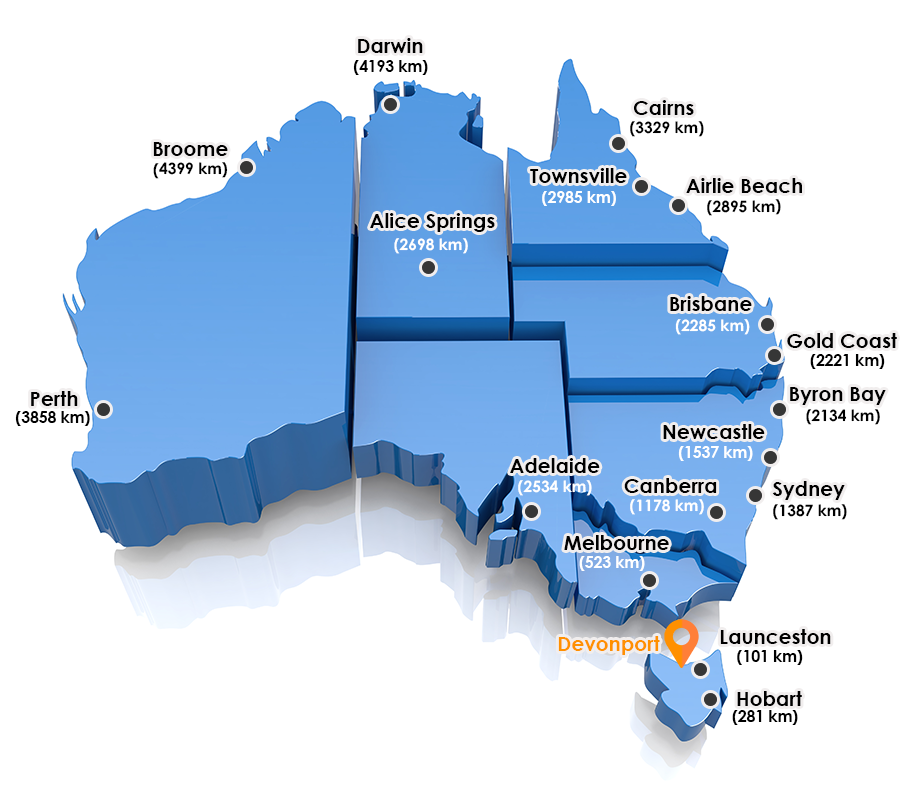
A 3D stylized map of Australia with an orange location pin highlighting Devonport in Tasmania.

Popular one-way routes from Devonport

  • Devonport Sydney 1,387 km · 7-10 days
    Cross the Bass Strait on the Spirit of Tasmania to Victoria. From Geelong, take the inland Hume Highway (M31) through historic regional hubs like Albury-Wodonga and Goulburn, or opt for the longer, spectacular coastal Princes Highway, tracing the beautiful eastern seaboard into Sydney.
  • Devonport Melbourne 523 km · 2-4 days
    Board the Spirit of Tasmania for an overnight or daytime crossing of the Bass Strait directly to Geelong. This maritime transit offers a relaxing break before docking in Victoria, where a short drive takes you to immediately dive into Melbourne’s world-renowned cafe culture and urban attractions.
  • Devonport Brisbane 2,285 km · 10-14 days
    After the ferry crossing to the mainland, journey up the eastern seaboard via the Pacific Highway (M1). Pass through Sydney, the Central Coast, and the laid-back surf towns of Northern New South Wales like Byron Bay, before crossing into Queensland and arriving in Brisbane.
  • Devonport Perth 3,768 km · 14-21 days
    Sail to Geelong, then embark on an epic cross-country journey heading west. Traverse the spectacular Great Australian Bight and the vast Nullarbor Plain along National Highway A1, before exploring the Western Australian goldfields and winding up in coastal Perth.
  • Devonport Cairns 3,329 km · 14-21 days
    Catch the ferry to the mainland and head north through inland Victoria and New South Wales via the Mitchell Highway. Cross into outback Queensland, winding through tropical scenery and the Atherton Tablelands before descending to the Great Barrier Reef gateway of Cairns.
  • Devonport Darwin 4,193 km · 14-21 days
    Cross over to Victoria and drive to Port Augusta in South Australia to join the Stuart Highway. This massive outback expedition takes you straight up the heart of the country, through Coober Pedy and Alice Springs, ending in the tropical Top End humidity of Darwin.
  • Devonport Hobart 281 km · 2-4 days
    Drive south via National Highway 1, passing directly through the historic, Georgian-style towns of the Midlands like Ross and Oatlands, straight into Hobart. Alternatively, detour west through the majestic Cradle Mountain-Lake St Clair National Park before ending your trip at the foot of kunanyi / Mount Wellington.
  • Devonport Launceston 101 km · 1-2 days
    Take a short, easy drive east on National Highway 1 through picturesque agricultural land and the Tamar Valley wine region. Arrive in the heritage-rich riverside city of Launceston, perfectly situated for exploring Cataract Gorge and local vineyards.
  • Devonport Adelaide 1,165 km · 5-7 days
    Take the ferry across to Geelong, then drive west along the scenic Great Ocean Road or take the faster inland route via the Western and Dukes Highways. Cross the South Australian border, exploring the Limestone Coast before arriving in the festival city of Adelaide.
  • Devonport Broome 4,399 km · 21-28 days
    After crossing the Bass Strait to Victoria, travel towards South Australia to join the Stuart Highway and head up the center of Australia to Katherine. Turn west on the Victoria Highway to enter Western Australia, navigating the stunning Kimberley landscape to reach the turquoise waters and red dirt of Broome.
  • Devonport Alice Springs 2,698 km · 10-14 days
    Sail to Geelong and head towards South Australia to merge onto the legendary Stuart Highway. Pass the dramatic Flinders Ranges, drive through the subterranean opal mining town of Coober Pedy, and cross the NT border into the iconic Red Centre.
  • Devonport Gold Coast 2,221 km · 10-14 days
    Cross the Bass Strait to the mainland, then cruise up the legendary East Coast via the M1. Enjoy endless coastal stops through New South Wales, crossing the Queensland border to finish your trip amongst the world-famous surf breaks and lush hinterland of the Gold Coast.
  • Devonport Townsville 2,900 km (including ferry) · 14-20 days
    Depart the coastal gateway of Devonport and drive straight onto the Spirit of Tasmania for the Bass Strait crossing to Geelong. From Victoria, travel north along the eastern seaboard through New South Wales and up the long Queensland coast, eventually arriving in the tropical hub of Townsville.

Campervan & Motorhome Hire Companies in Devonport

Most motorhome and campervan hire in Devonport is collected right at the Spirit of Tasmania ferry terminal or at Devonport Airport (DPO), so you can pick up your vehicle the moment you arrive, whether you sail across Bass Strait or fly in. This makes Devonport the natural starting point for a Tasmanian lap without backtracking from Hobart. MotorhomeHire.com compares vehicles across these brands in one search, including operators such as Cruisin’ and Mighty Campers alongside Tasmania-based suppliers like AutoRent and LeisureRent, which run pickup points at the ferry terminal itself. Each brand sits at a different price and vehicle tier, from budget campervans to larger motorhomes, so comparing them side by side helps you match fleet, facilities, and pickup point to your trip.

AutoRent Devonport

Airport Rd, Devonport TAS 7307

Monday to Sunday: 8:00 AM to 4:30 PM

AutoRent Devonport (East)

50 Murray Street, East Devonport TAS 7310

Monday to Sunday: 8:00 AM to 4:30 PM

Frequently Asked Questions (FAQs)

Campervan and motorhome hire in Devonport generally costs between about $60 per day for a basic 2-berth campervan in off-peak, with most fees included. Your rate depends on vehicle size, season, booking length, and whether you book a return or one-way hire.

The cheapest time to hire is winter, from May to August, when demand is lowest. December and January are the most expensive, because summer, school holidays, and Christmas and New Year drive peak demand. Autumn and spring shoulder months usually sit between the two.

Yes, but options are limited. A small number of suppliers serve Devonport Airport, and at least one operates a depot at the Spirit of Tasmania ferry terminal carpark, so you can collect a vehicle close to your arrival point. Confirm the exact pickup point with the supplier when you book, since some run Devonport as a serviced location and deliver the vehicle.

The Spirit of Tasmania carries campervans across Bass Strait for a fee based on vehicle size and passengers, but most Tasmanian hire vehicles must stay within the state and cannot be driven onto the ferry to the mainland. If you want to travel between the mainland and Tasmania with a hire vehicle, check the supplier’s terms first, as many prohibit it. You book the ferry yourself, separately from the vehicle hire.

The minimum hire age in Tasmania is usually 21, and some suppliers require 23 or older, with a young-driver surcharge sometimes applied to drivers under 25. You need a full unrestricted car licence, which covers every 2-berth to 6-berth vehicle up to 4.5 tonnes GVM. A non-English-language licence must be accompanied by a certified translation or an International Driving Permit.

Yes, you can collect in Devonport and drop off in Launceston or Hobart, though choices are more limited than from Hobart where most fleets are based. Most one-way hires carry a relocation fee and a minimum hire duration. Watch for relocation deals, which discount the daily rate when a supplier needs a vehicle moved.

Book at least 6 to 12 weeks ahead for the best combination of vehicle choice and daily rate. Devonport holds fewer vehicles than Hobart, so the local fleet fills faster in peak periods such as summer, Easter, and school holidays. Booking early is the single best way to avoid paying more for the last vehicles left.

Yes. Most motorhome hires in Devonport include unlimited kilometres, so you can tour Tasmania without a distance cap. Some campervan hires, particularly value brands and shorter hires, apply a daily allowance, often around 200 km per day, with a charge for extra kilometres.

Expect a security bond held on your credit card at pickup and an excess you pay toward any damage, both of which are highest on the standard cover tier and lower on upgraded tiers. You can reduce the excess by upgrading your insurance tier at booking or by buying separate third-party excess cover.

Free camping inside Devonport is restricted by a council by-law, so park overnight at a holiday park such as Mersey Bluff Caravan Park or Abel Tasman Caravan Park, both close to the ferry terminal. Self-contained campers can also stay at the Horsehead Creek site for a small nightly fee. The closest free camp is the Forth Valley Recreation Ground, about a 10-minute drive away.

Yes, most suppliers allow additional drivers, but each one must be named on the rental agreement and present at pickup with their own physical licence. A per-hire or per-day fee usually applies, and every named driver must meet the same age and licence requirements as the main driver. Adding a second driver is worth it on long Tasmanian loops, so the driving can be shared on winding coast and highland roads.

Yes, some suppliers offer pet-friendly campervans and motorhomes, but only select vehicles allow pets, so request this option when you book. Cleaning conditions or a pet fee may apply, and certain models may be excluded. Keep in mind that Tasmania’s national parks generally prohibit pets, which affects where you can stop, so check both the supplier terms and the park rules before you travel.

Tips for First-Time Motorhome Renters in Devonport
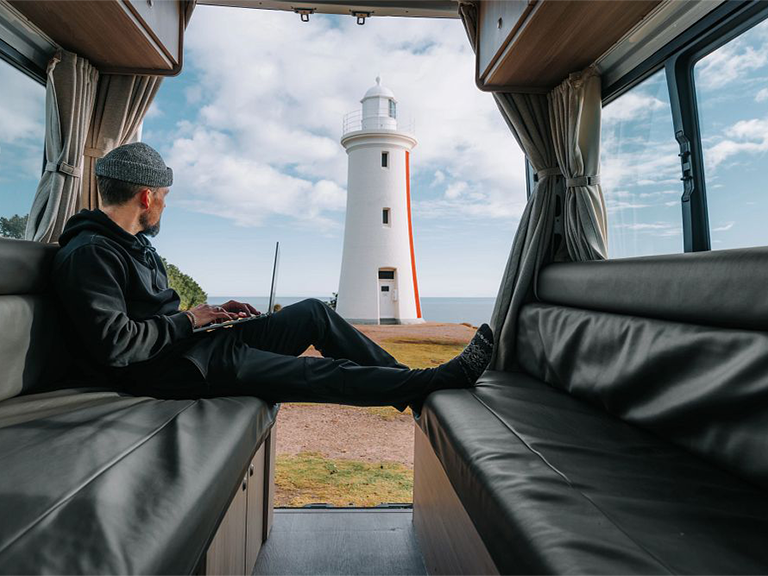
Traveller relaxing inside a motorhome rental overlooking Mersey Bluff Lighthouse in Devonport
Tasmania drives on the left-hand side of the road, an important cue for visitors arriving from continental Europe, North America, or most parts of Asia. Take your first hour slowly, especially at roundabouts and unsignalised intersections, until left-side lane discipline feels natural. Country roads in Tasmania are often narrow, winding, and unlit, so allow more time than the distance suggests. Key rules to know:
  • Urban speed limits – 50 km/h in most built-up and residential streets, and 40 km/h in school zones during marked hours. Signs override any assumption.
  • Rural and highway speed limits – 100 km/h on most sealed rural roads and highways, with some sections signposted at 110 km/h. Gravel and back roads are often slower.
  • Seatbelts and alcohol – seatbelts are mandatory for the driver and every passenger. Children under 7 must be in an approved child restraint. The blood alcohol limit is 0.05 percent.
  • Wildlife – watch for wombats, wallabies, and other wildlife at dawn, dusk, and at night on country roads, when animals cross open stretches. Avoid driving after dark where you can.
  • Vehicle height – most motorhomes sit between 2.7 m and 3.4 m. Watch height clearance signs at drive-throughs, service-station canopies, and covered car parks. High-top vans and 6-berth motorhomes are the most affected.
  • Vehicle width – Devonport’s inner streets and older coastal town roads get narrow fast. Larger 6-berth vehicles are harder to manoeuvre through parked-car pinch points, so take passing and cornering slowly.
Where to park a motorhome in Devonport during the day. Devonport has three dedicated RV parking areas that comfortably fit a larger motorhome: Fenton Way RV Parking, the Victoria Parade Boat Ramp Car Park, and the Murray Street Car Park. These give you room to manoeuvre while you visit the waterfront, Mersey Bluff, and the town centre. Avoid standard on-street bays in the small paid section of the city centre, since most are marked for cars, and note that a paid zone in the centre charges a small hourly rate by cash, card, or app. For longer walks around town, leave the vehicle at one of the RV lots and continue on foot, since Devonport’s centre is compact.
Book your motorhome hire in Devonport at least 6 to 12 weeks ahead for the best combination of vehicle choice and daily rate. The single largest booking mistake is leaving it until the month of travel during a peak window, because vehicles sell out first, then daily rates on the remaining fleet rise as availability tightens. Devonport also holds fewer vehicles than Hobart, so the local fleet fills faster in busy periods. Peak-price triggers to watch for:
  • December and January – Australian summer, school holidays, and the international-visitor peak, and the most expensive time to hire in Tasmania.
  • Easter long weekend – typically late March or April, with strong demand around Cradle Mountain and Freycinet.
  • Public-holiday long weekends – scattered through the year and often booked out early for short trips.
  • Major events – dark Mofo in Hobart in winter, the Sydney to Hobart finish around New Year, Agfest near Launceston in spring, and Devonport’s own community events all draw visitors to the north and can tighten vehicle supply.
If your dates are flexible, travelling in the winter shoulder from May to August usually gives you both the lowest rates and the widest choice.
Book your first night’s campsite before you sail or fly in, and pick a site within a short drive of your Devonport pickup point. A first-time motorhome handover plus tiredness after an overnight ferry crossing or a flight is a poor combination for driving far on day one, so a nearby site keeps the first evening simple. This matters most for travellers arriving on the late Spirit of Tasmania sailing, who collect the vehicle and want to stop close by. Practical first-night options close to common Devonport pickup points:
  • Abel Tasman Caravan Park (Devonport) — the closest park to the Spirit of Tasmania ferry terminal, around 2 km away and about 5 minutes’ drive, with powered and unpowered sites, cabins, and pet-friendly options.
  • Discovery Parks Devonport (Tarleton Street) — on the banks of the Mersey River near the ferry terminal, with powered sites, a camp kitchen, BBQ area, and playground.
  • Bay View Holiday Village (East Devonport) — oceanfront self-contained cabins and powered sites in East Devonport, close to the ferry side of the river.
  • Mersey Bluff Caravan Park (Bluff Road) — the top-rated Devonport park, from around $35 per night, with views over Bass Strait, a beach, camp kitchen, and a dump point, about 5 to 10 minutes from the town centre.
Free camping inside Devonport is restricted, because the council has a by-law prohibiting overnight camping in the city, though self-contained campers can stay at the Horsehead Creek site for a small nightly fee. The closest free camp is the Forth Valley Recreation Ground, about a 10-minute drive away.
Match the number of berths to your travel group first, then check whether the larger size is still easy to drive and park. Berths are sleeping spaces, not seats, so a 4-berth motorhome sleeps four but is longer, wider, and thirstier than a 2-berth campervan. First-time renters often book one size larger than they need for comfort, then find the vehicle harder to manoeuvre on Tasmania’s narrow coastal roads and in Devonport’s compact centre. Remember that a larger vehicle costs more per day and more to refuel, and it limits where you can park during the day. If you plan to move often and drive winding routes, choose the smallest size that still sleeps your group. Compare the full range and facilities in the types of campervans and motorhomes section above before you decide.
You need a full unrestricted car licence, a Class C in Australia or the equivalent from your home country, to drive any motorhome or campervan hire in Devonport up to 4.5 tonnes GVM, which covers every standard 2-berth to 6-berth vehicle. Learner and provisional licences are not accepted by most major rental brands, and the few that do accept a provisional licence apply conditions such as a minimum age and a minimum time since the licence was issued. Confirm your licence class with the supplier before booking if you hold anything other than a full licence. Additional requirements:
  • Minimum driver age – generally 21 with most brands, and 23 or older with some Tasmanian suppliers. A few brands accept younger drivers with a young-driver surcharge.
  • International visitors – an English-language driver’s licence from your home country is accepted at pickup. A non-English-language licence must be accompanied by a certified English translation or an International Driving Permit.
  • Additional drivers – each additional driver must be present at pickup with their own physical licence, and most brands charge a per-hire or per-day additional-driver fee.
  • Payment card for the bond – a physical credit or debit card in the driver’s name is required to hold the bond. Cash and pre-paid cards are typically not accepted.
Most motorhome hires in Devonport include unlimited kilometres, so you can drive as far as you like within the rental period without exceeding a distance cap. Some campervan hires, particularly value-brand and shorter-hire configurations, apply a daily kilometre allowance, often around 200 km per day, with an excess-kilometre charge applied to anything over that. Confirm the kilometre policy on your rental agreement before you book, and choose an unlimited-kilometre vehicle if you plan long loops through the west coast, the highlands, or the east coast. Fuel policy across most major brands is full-to-full: the vehicle is provided with a full tank at pickup and must be returned refuelled to the same level. Most Tasmanian campervans and motorhomes run on diesel, and fuel can cost a little more than on the mainland, so budget for it on longer drives. The fuel type is stated on the dashboard sticker, the fuel-cap flap, and the rental agreement, so double-check before your first fill. Putting the wrong fuel in the tank is not covered by any insurance tier and results in a large tow, drain, and mechanical bill. Use the PetrolSpy app to find the cheapest fuel along your route.
Tasmania has no toll roads, so you will not pay a toll driving anywhere on the island, including the highways between Devonport, Launceston, and Hobart. There are no toll gantries, number-plate toll cameras, or toll accounts to set up, which makes Tasmania simpler to drive than mainland cities like Sydney, Melbourne, or Brisbane. You can plan your Devonport road trip without budgeting for tolls or worrying about a rental brand’s toll admin fees. The cost that does apply on a Tasmanian trip is the national parks pass, not a toll:
  • Why it applies. A valid parks pass is required to enter any of Tasmania’s 19 national parks, including Cradle Mountain, Freycinet, and Mount Field.
  • Single-entry vs holiday pass. A single-vehicle day pass covers one park for up to 24 hours, while a holiday pass covers unlimited park entry for a fixed period across the state.
  • Which to buy. The holiday pass usually works out cheaper if you plan to visit two or more parks, which most Devonport road trips do.
Buy your parks pass online or at a park entry point before you travel, and check current pass prices with the Parks and Wildlife Service Tasmania, since fees change.
Give yourself 30 minutes for the vehicle handover, and do not accept a rushed walkthrough. The pre-departure inspection is the single most important moment for protecting yourself against unfair damage claims at return, especially if you collect the vehicle at a serviced location or after a late ferry arrival when staff want to move quickly. Handover checklist:
  • Walk around the exterior and photograph or video every existing scratch, dent, and paint chip on all four sides, plus the roofline where visible.
  • Confirm all existing damage is noted on the vehicle inspection report, and sign nothing until every mark you can see is recorded.
  • Check tyre condition, including tread depth and sidewall damage, and confirm the spare tyre, jack, and wheel brace are present and accessible.
  • Note the fuel level at pickup, since most brands hand over the vehicle full, but some use a return-at-same-level starting point that is not full.
  • Check the gas bottle is present, connected, and turned on. Gas may power the cooker and, in some models, the fridge and heater.
  • Confirm the heating works, since ducted diesel or gas heating matters for cool Tasmanian nights, and test it before you leave the depot.
  • Confirm the water tank status such as fresh-water tank full or empty, grey-water tank empty, and the cassette toilet emptied and clean.
  • Test the electrics such as house battery, interior lights, water pump, fridge on both 12V and 240V, and the awning wind-out and wind-in functions..
  • Check the inventory against the packing list, including bedding, pillows, cookware, cutlery, chairs, and a table if included. Log any missing items before you drive off.
  • Confirm the roadside-assistance contact and the after-hours procedure verbally before signing, in case you break down on a remote west coast or highland road.
Photograph the completed inspection report as well as the vehicle, because a phone snapshot of both is your evidence if anything is disputed on return.

Book Your Devonport Motorhome Hire Online Today

Quick, easy, and secure bookings with trusted local and national rental providers.